
Resources
17 September 2026 · 3 min read
3PL in Belgium: how to choose the right provider
A 3PL (third-party logistics provider) manages your stock, order picking and shipping on your behalf. Choosing a 3PL in Belgium commits your online store for several months, often longer. Here are the points to check before you sign, in the order they come up.
Understanding 3PL logistics
A 3PL takes on all or part of your supply chain: receiving goods, storage, order picking, packing, shipping and returns management. The main benefit is not just freeing up your time: it also gives you access to carrier rates negotiated on pooled volume, to a warehouse management system (WMS) that is already up and running, and to capacity that absorbs order peaks without you having to hire temporary staff. Each step of this chain is described in the guide what is e-commerce fulfilment.
Assessing your needs before comparing Belgian 3PLs
Before requesting quotes, an online retailer should pin down three figures: current monthly order volume and the forecast a year out, the number of active product references (SKUs) and how fast they turn over, and the geographical split of sales (Belgium, France, rest of the EU, outside the EU). These three figures determine which type of provider is relevant: a generalist 3PL, a sector specialist, or an operator more focused on B2B.
Comparing storage and warehousing capacity
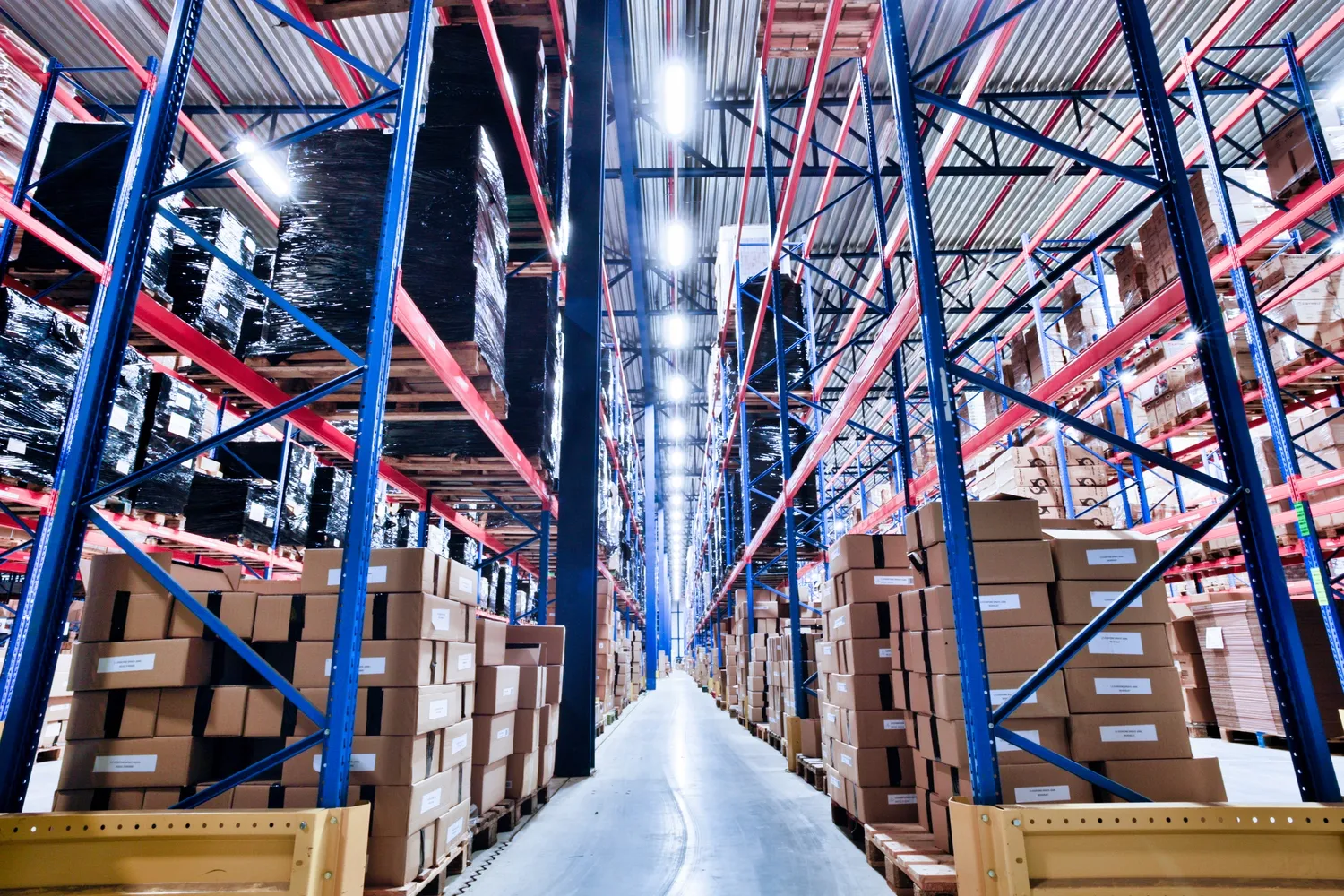
Storage is not just a number of square metres. What to check in practice: the number of pallet positions available, dedicated picking bins for fast-moving references (essential beyond a few hundred orders a month), access control and CCTV, and how often inventory counts are carried out. A 22,500 m² warehouse with 12,000 pallet positions, like Brain e-Log’s warehouse in Houdeng-Goegnies, Hainaut, gives you a benchmark for the size of a serious provider in Belgium.
Checking fulfilment and picking quality
The most decisive point day to day: the picking error rate. A provider that scans every item at the location and again at packing (double scanning) greatly reduces the risk of a wrong parcel, compared with a simple visual check. Ask for the measured rate of error-free orders, how often it is reported, and what happens (at their cost or yours) when an error is confirmed. This is the principle behind our double-scan order picking.
Choosing reliable multi-carrier shipping
A 3PL that works with only one or two carriers limits your service options (home delivery, pick-up point) and your geographical coverage. The number of carriers under contract and the number of countries served are direct indicators of how much room for manoeuvre you will have. Brain e-Log’s shipping service works with 14 carriers to cover 150 countries, choosing the carrier according to destination, weight and the service required.
Looking at returns management
A poorly managed returns flow costs you twice: the transport, then the product tied up while it waits to be inspected. Points to check: the time between receiving a return and restocking it, who decides whether a returned item can be resold, and whether a prepaid returns label is offered. The guide e-commerce returns management explains this process in detail.
Checking integrations, customs and costs
Three final points, often checked too late:
- Technology integrations: do your store (Shopify, WooCommerce, PrestaShop, Magento) and marketplaces (Amazon, bol) genuinely connect to the provider’s WMS, or is custom development needed, billed on top?
- Import and customs: if you import from outside the EU, does the provider handle customs clearance, or do you have to manage a freight forwarder separately? See the guide e-commerce customs clearance step by step.
- Cost structure: beyond the advertised price per order, check the minimum monthly invoice, set-up fees, commitment period and exit notice period. It is these terms, not the advertised rate, that determine the real cost of switching provider later on.
In short
Choosing a 3PL in Belgium means checking, in order, the volume and nature of your orders, the real storage capacity, the picking error rate, carrier coverage, returns handling and, finally, the contractual exit terms. That last point, often the least scrutinised at signing, becomes the most important the day you want to switch. For your meeting with each candidate, keep the questions to ask a logistics provider before signing to hand.
Frequently asked questions about choosing a 3PL
01What is the difference between a 3PL and simply renting a warehouse?
A rented warehouse gives you space; you manage the staff, the WMS and the operations. A 3PL provides the space, the staff and the system, and runs the operations (receiving, picking, shipping) on your behalf.
02Do you need a minimum volume to work with a 3PL?
Most providers set a minimum number of orders or a minimum monthly invoice, because a technical integration and a set of specifications are a fixed cost that has to be recovered through volume.
03How long does it take to onboard a new 3PL?
Allow several weeks between first contact and the first order shipped, including connecting your store and transferring stock. The timeframe depends mainly on how complex your catalogue and existing integrations are.
04Can a 3PL handle several destination countries?
Yes, as long as you check the actual number of carriers and countries covered, not just the general claim that ‘we deliver across Europe’.
05What happens if the 3PL no longer suits you?
The notice period and exit terms must be written into the contract before signing: commitment period, notice period, any exit fees. This is one of the points most often overlooked when choosing.