
Resources
17 September 2026 · 3 min read
E-commerce customs clearance: how it works, step by step
A container arriving at port does not go straight into your warehouse. In between come a customs declaration, duties to calculate and documents to gather. Here are the steps of e-commerce customs clearance, in order, and what costs you time when they are missing.
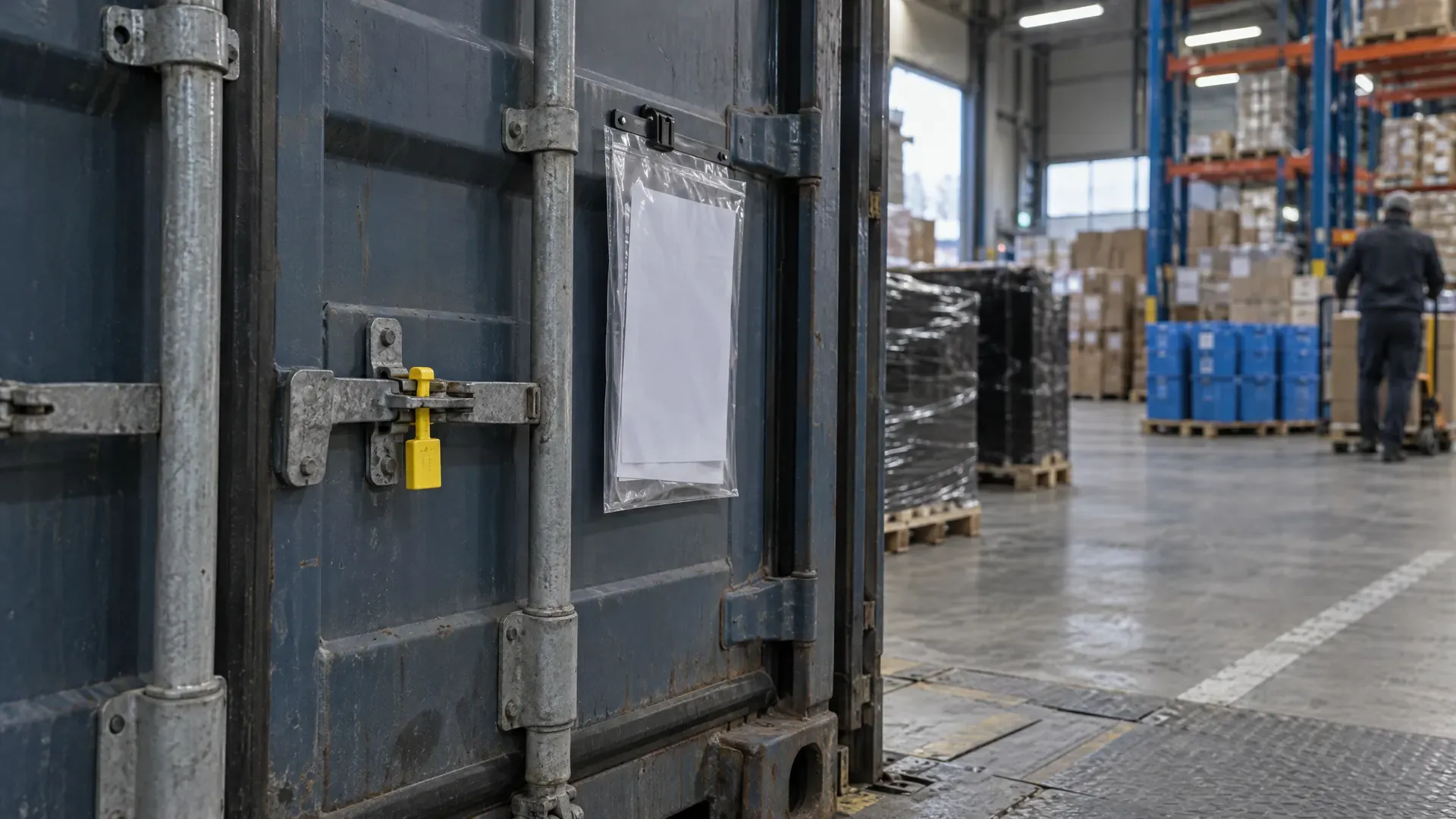
E-commerce customs clearance: the rules that apply in Belgium
All goods entering the European Union from a non-EU country must be declared to customs before release for free circulation, that is, before they can move and be sold without restriction on the European market. In Belgium, the declaration is filed through DELTA IE, the national customs system. Upstream, the European ICS2 regulation requires an entry summary declaration with safety and security data, even before the goods physically arrive in the EU.
This framework applies to every e-commerce import: a manufacturer buying in Asia (see importing from China for e-commerce), a brand receiving a container from non-EU suppliers, or a seller based outside the Union entering the European market.
Step 1 — Preparing the documents
The customs file is put together before the supplier ships, not when the container arrives:
- Commercial invoice and packing list, provided by the supplier, with quantities, value and Incoterm.
- Bill of lading (B/L) or air waybill, issued by the carrier.
- Certificate of origin, where the exporting country qualifies for one.
- EUR.1, for countries with a preferential agreement with the EU (Vietnam or Turkey, for example, not China), which can reduce or eliminate customs duties.
- Customs codes (HS) for each product, which determine the applicable duty rate.
- The importer’s EORI number, mandatory for any declaration.
A document missing on arrival holds up the release of the goods: the container stays stuck at port until the situation is put right. This is the leading cause of delay, and it is resolved upstream, by checking the file before loading.
Step 2 — Calculating duties, taxes and charges
Three separate amounts apply to an import:
- Customs duties, calculated on the customs value (generally the invoiced value, plus transport and insurance to the EU border) at the rate for the product’s HS code.
- Import VAT, calculated on the customs value plus duties, at the rate applicable in Belgium. It can be paid to customs, or deferred to the periodic VAT return if the authorisation is in place — see the guide import VAT in the EU.
- Ancillary charges: freight forwarder fees, port charges, any physical inspection.
An incorrect HS code changes the applicable duty rate and exposes you to a later adjustment by the customs authorities. Consistency between the declared code and the actual product is checked before shipping.
Step 3 — Sending the shipment through and avoiding delays
The freight forwarder or declarant files the customs declaration as soon as the container has a confirmed arrival date. The points that gain or lose you days:
- Book the unloading slot at the warehouse in advance, as soon as the vessel’s arrival date is known, so the goods go into stock without waiting on the dock.
- Check that the documents match the actual contents of the container: a discrepancy between the packing list and the count on arrival triggers a check.
- Be prepared for a physical inspection: customs may open a container at random; a complete set of documents speeds up clearance after the inspection.
At Brain e-Log, the import and customs clearance service handles the file from end to end with a single contact: coordinating transport with the freight forwarder, checking documents before shipping, monitoring customs clearance, receiving on a booked slot (3 hours for a 40ft or 20ft container, booked 48 hours in advance), counting and putting into stock in Houdeng-Goegnies.
See the import and customs service
In short
Customs clearance is not a formality at port, it is a file that is built before loading: complete documents, verified customs codes, EORI number in place. What holds up a container would, in the vast majority of cases, have been sorted out in a few minutes two weeks earlier.
Frequently asked questions about customs clearance
01Who files the customs declaration?
A freight forwarder or an authorised customs declarant, based on the file put together (commercial invoice, packing list, certificate of origin where applicable). The importer remains responsible for the information declared.
02What happens if a document is missing when the container arrives?
Release of the goods is delayed: the container stays held at port until the situation is put right. This is the most common cause of delay, and it is resolved before the supplier ships, not at port.
03Do you have to pay import VAT on top of customs duties?
Yes, unless you have a deferral authorisation. Without one, VAT is paid to customs at clearance, before the first item is sold. With deferral, it is included in the periodic VAT return.
04What are ICS2 and DELTA IE?
ICS2 is the European entry summary declaration system, which requires safety and security information before goods arrive in the EU. DELTA IE is the Belgian import customs declaration system, which replaced PLDA.
05Does an online retailer importing from China need an EORI number?
Yes. The EORI number identifies the economic operator to European customs. Without it, no declaration can be filed on your behalf.